
Modern dentistry is no longer limited to routine fillings, cleanings, and basic restorative procedures. Patients increasingly expect dentists to provide advanced treatment options that can save natural teeth and deliver predictable results. This is where an Endodontic Course can make a meaningful difference in a dentist’s professional development.
Endodontics focuses on diagnosing and treating problems involving the dental pulp and tissues surrounding the roots of teeth. By developing stronger skills in root canal treatment, diagnosis, treatment planning, and modern clinical techniques, dentists can expand their capabilities and provide more comprehensive care.
Why an Endodontic Course Matters for Modern Dentists
Root canal treatment is one of the most commonly performed procedures in restorative dentistry, yet every case can present different challenges. Complex anatomy, calcified canals, curved roots, retreatment cases, and difficult diagnoses require more than basic theoretical knowledge.
An advanced Endodontic Course allows dentists to strengthen their understanding through structured learning and practical exposure. Instead of relying solely on routine clinical experience, dentists can learn systematic approaches to managing challenging cases.
For example, understanding canal anatomy and working-length determination can help clinicians plan treatment more effectively. Similarly, learning modern instrumentation and irrigation principles can improve consistency during root canal procedures.
Develop Practical Skills in Root Canal Treatment
One of the biggest advantages of specialized endodontic education is the opportunity to improve practical skills. Dentists can learn how different instruments, materials, and techniques are used at various stages of treatment.
A comprehensive course may cover areas such as:
- Access cavity preparation
- Working-length determination
- Root canal shaping and cleaning
- Irrigation protocols
- Obturation techniques
- Management of curved or narrow canals
- Retreatment procedures
- Diagnosis of endodontic problems
- Prevention and management of procedural complications
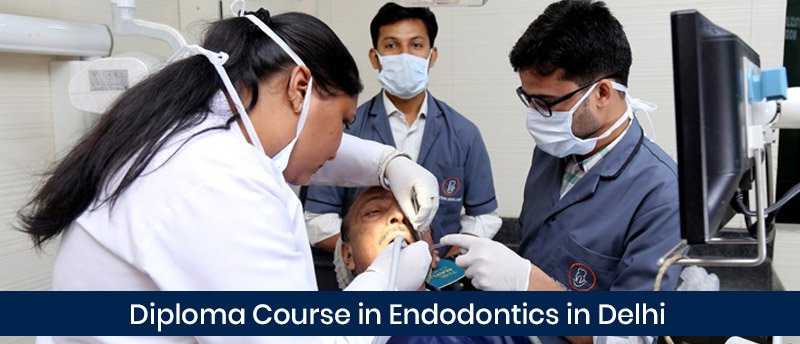
Hands-on learning can be particularly valuable because dentists can understand not only what to do, but also how and when to apply a particular technique.
Improve Confidence in Complex Cases
Some endodontic cases can be stressful, particularly when conventional treatment becomes more complicated than expected. A dentist may encounter multiple canals, unusual root morphology, separated instruments, perforations, or persistent infection.
Advanced training helps clinicians approach such situations with a more organized mindset. Instead of immediately referring every difficult case, dentists with additional endodontic training may be better prepared to assess the situation, identify potential challenges, and determine an appropriate treatment strategy.
This does not mean every case should be treated independently. Knowing when a case requires specialist referral is also an important part of professional clinical judgment.
Stay Updated With Modern Endodontic Techniques
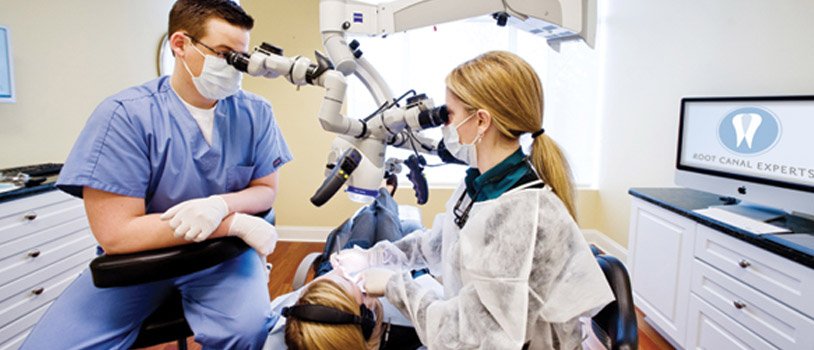
Dental technology continues to evolve. Modern endodontics increasingly incorporates tools such as rotary and reciprocating systems, electronic apex locators, magnification, improved irrigation methods, and advanced imaging technologies.
A specialized course can help dentists understand how these technologies fit into contemporary clinical workflows. More importantly, dentists can learn the principles behind the technology instead of simply learning how to operate a device.
Continuing education also encourages clinicians to evaluate new techniques critically and choose approaches based on patient needs, case complexity, and clinical evidence.
Expand Professional Opportunities
Additional training can also contribute to professional growth. Dentists who develop stronger endodontic skills may be able to handle a broader range of treatments within their practice.
Offering advanced root canal procedures can make a dental practice more comprehensive and convenient for patients. It may also reduce the need to refer straightforward endodontic cases elsewhere.
For younger dentists, specialized training can provide an opportunity to build confidence early in their careers. For experienced practitioners, it can serve as a way to refresh existing knowledge and adapt to newer treatment approaches.
Choose Training That Combines Theory and Practice
Not all courses provide the same learning experience. When selecting an Endodontic Course, dentists should look beyond the course title and examine what the program actually offers.
Consider factors such as:
- Clinical and hands-on training
- Experienced dental educators
- Modern endodontic techniques
- Case-based learning
- Training on contemporary instruments and materials
- Opportunities to discuss real clinical challenges
- Course duration and learning format
- Post-course guidance or academic support
A program that combines theoretical concepts with practical application can make learning more useful for everyday clinical practice.
Conclusion
Endodontics is an important part of modern dental care, and developing advanced skills can help dentists manage root canal procedures with greater knowledge, confidence, and clinical precision. From understanding complex anatomy to learning contemporary instrumentation and treatment techniques, specialized education can provide valuable professional benefits.
For dentists looking to strengthen their clinical capabilities and expand the range of treatments they can confidently provide, enrolling in a well-structured Endodontic Course can be a worthwhile step toward continued professional development.
Call To Action
Ready to strengthen your endodontic skills? Explore advanced learning opportunities, understand the available course options, and take the next step toward improving your clinical expertise. Visit the website today to learn more and get started.