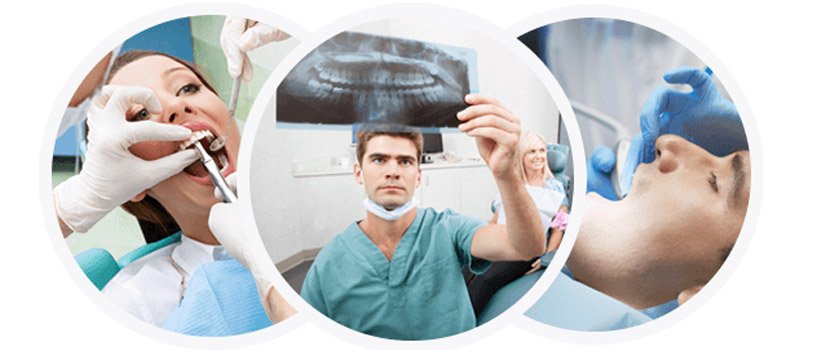

Endodontics is one of the most important branches of modern dentistry. It focuses on diagnosing and treating issues related to the dental pulp and root canals. With increasing awareness about advanced dental care, the demand for skilled endodontists is growing rapidly across India. This is why many dental professionals are now enrolling in Endodontic Courses in India to improve their clinical expertise and career opportunities.
At Dental Courses, students receive hands-on clinical exposure, practical training, and guidance from experienced mentors that help them build real-world dental skills. Whether you are a fresh BDS graduate or an experienced practitioner looking to upgrade your knowledge, endodontic training can help you gain confidence in handling complex dental procedures.
In this blog, we will explore the most important skills you can develop through Endodontic Courses in India and how these skills can shape your future in dentistry.
Why Are Endodontic Skills Important?
Modern patients expect painless, accurate, and long-lasting dental treatments. Root canal procedures have become highly advanced, and dentists who lack updated knowledge may struggle to meet patient expectations.
Professional Endodontic Courses in India help dentists:
- Improve treatment accuracy
- Handle difficult root canal cases
- Reduce treatment time
- Increase patient satisfaction
- Grow their dental practice
These programs are designed to bridge the gap between theoretical learning and practical clinical application.
1. Understanding Root Canal Anatomy
One of the first and most important skills taught in Endodontic Courses in India is understanding root canal anatomy.
Every tooth has a different canal structure. Some teeth may have curved or extra canals that are difficult to identify without proper training.
Students learn:
- Tooth morphology
- Canal configurations
- Pulp chamber anatomy
- Variations in root canal systems
A strong understanding of anatomy helps dentists perform more successful treatments with fewer complications.
2. Diagnosis and Treatment Planning
Successful endodontic treatment begins with accurate diagnosis.
During advanced endodontic training, students learn:
- Clinical examination techniques
- Reading radiographs and CBCT scans
- Identifying pulp infections
- Treatment planning for different cases
This skill is essential because improper diagnosis can lead to treatment failure.
Many dentists join Endodontic Courses in India specifically to improve their confidence in diagnosing complicated dental problems.
3. Rotary Endodontics Skills
Rotary endodontics has transformed modern root canal treatment. Traditional hand filing techniques are now being replaced by advanced rotary systems.
Students are trained in:
- Rotary file systems
- Canal shaping techniques
- Glide path preparation
- Efficient cleaning and shaping methods
Learning rotary endodontics allows dentists to perform procedures faster and with greater precision.
This is one of the most valuable practical skills covered in Endodontic Courses in India today.
4. Working with Dental Microscopes
Microscopic dentistry is becoming increasingly popular in advanced dental clinics.
Modern endodontic programs teach:
- Magnification techniques
- Microscope-assisted root canal treatment
- Identification of hidden canals
- Better visibility during procedures
Using dental microscopes improves treatment quality and reduces the chances of missing canals.
Dentists who master these technologies often provide more accurate and predictable results.
5. Rubber Dam Isolation Techniques
Rubber dam isolation is considered a standard protocol in professional endodontic treatment.
In many Endodontic Courses in India, students learn:
- Proper placement of rubber dams
- Isolation techniques for different teeth
- Maintaining infection control
- Improving treatment efficiency
This skill ensures better visibility and patient safety during root canal procedures.
6. Pain Management and Patient Handling
Many patients fear root canal treatment due to pain and anxiety. A skilled dentist must know how to handle both clinical and emotional aspects of treatment.
Training programs focus on:
- Local anesthesia techniques
- Managing anxious patients
- Communication skills
- Creating a comfortable treatment experience
These soft skills are equally important for building patient trust and increasing clinic success.
7. Retreatment Procedures
Not all root canal treatments are successful the first time. Failed procedures often require retreatment.
Advanced Endodontic Courses in India teach:
- Removal of old filling materials
- Management of failed RCT cases
- Handling broken instruments
- Retreatment protocols
Learning retreatment techniques allows dentists to confidently manage complicated cases.
8. Emergency Endodontic Management
Dental emergencies are common in clinical practice.
Students are trained to manage:
- Acute dental pain
- Swelling and infections
- Dental trauma
- Emergency pulp therapy
This training prepares dentists to respond quickly and effectively in urgent situations.
9. Advanced Obturation Techniques
Obturation is the process of sealing the cleaned root canal system. Poor obturation can lead to treatment failure.
Students learn:
- Lateral condensation techniques
- Warm vertical compaction
- Thermoplastic obturation systems
- Three-dimensional canal sealing
Proper obturation improves long-term treatment success rates.
10. Infection Control and Sterilization
Modern dentistry requires strict hygiene and sterilization protocols.
Professional Endodontic Courses in India include training on:
- Instrument sterilization
- Cross-contamination prevention
- Clinical hygiene standards
- Safe disposal practices
These protocols are essential for patient safety and clinic reputation.
11. Digital Dentistry and CBCT Interpretation
Technology is changing the future of dentistry rapidly.
Students are introduced to:
- Digital radiography
- CBCT interpretation
- Treatment planning software
- Digital workflow in endodontics
These technologies help improve diagnosis and treatment precision.
12. Clinical Confidence and Hands-On Practice
One of the biggest advantages of joining practical endodontic programs is hands-on training.
Students work on:
- Live patients
- Simulated models
- Clinical case discussions
- Real treatment planning
Hands-on experience helps dentists gain the confidence needed for independent clinical practice.
This is why many dentists prefer clinically focused Endodontic Courses in India over purely theoretical programs.
Career Opportunities After Endodontic Training
Completing professional endodontic training can open several career opportunities.
Dentists can:
- Improve private practice services
- Increase patient flow
- Offer advanced root canal treatments
- Build expertise in microscopic dentistry
- Pursue specialized dental careers
The demand for skilled endodontists is expected to grow significantly in the coming years.
How to Choose the Right Endodontic Course?
Before selecting a course, consider:
- Hands-on clinical exposure
- Experienced faculty
- Latest equipment and technology
- Course curriculum
- Certification value
The best Endodontic Courses in India focus on practical learning rather than only classroom teaching.
Why Dr. Bhutani Dental Courses Is a Preferred Choice
Dr. Bhutani Dental Courses provides industry-focused dental training programs designed to help dentists improve practical skills and clinical confidence.
Key highlights include:
- Expert faculty guidance
- Hands-on clinical training
- Modern dental technologies
- Personalized mentorship
- Practical exposure to advanced endodontic procedures
These features help students develop real-world expertise that supports long-term career growth.
Frequently Asked Questions (FAQs)
1. Who can join Endodontic Courses in India?
BDS graduates, MDS students, and practicing dentists interested in improving root canal treatment skills can join these courses.
2. Are endodontic courses practical or theoretical?
Most advanced programs focus heavily on practical training, including live patient demonstrations and hands-on sessions.
3. What is the duration of endodontic training courses?
Course duration varies from a few days to several months depending on the program level and curriculum.
4. Do I need prior clinical experience to join?
Basic dental knowledge is sufficient for beginner-level programs, although prior clinical exposure can be helpful.
5. What technologies are taught in modern endodontic courses?
Modern programs often include rotary endodontics, CBCT interpretation, digital radiography, and microscope-assisted treatment.
6. Why should dentists upgrade their endodontic skills?
Advanced skills improve treatment quality, patient satisfaction, and career opportunities in modern dentistry.
Conclusion
The field of endodontics is evolving rapidly, and dentists who continuously upgrade their skills are more likely to succeed in today’s competitive dental industry. Professional Endodontic Courses in India provide the practical exposure, advanced knowledge, and clinical confidence needed to handle modern dental procedures effectively.
From rotary endodontics and microscope-assisted dentistry to retreatment procedures and patient management, these courses help dentists develop a complete set of skills that improve both clinical outcomes and career growth.
For dental professionals looking to build expertise and confidence in root canal treatment, choosing the right training program can be a major step toward long-term success in dentistry.