
Dental implants have changed the way missing teeth are treated in India. What was once a complex and rarely offered procedure has now become a routine part of modern dental practice. Behind this transformation lies not just technology, but also education. As implant systems improved, the need for structured Dental implant courses grew, helping dentists gain the knowledge and confidence required to deliver safe and predictable results.
This blog explores how dental implants evolved in India, the role of professional training, and why learning implantology has become essential in today’s dental landscape.
The Early Phase: When Dental Implants Were Still New
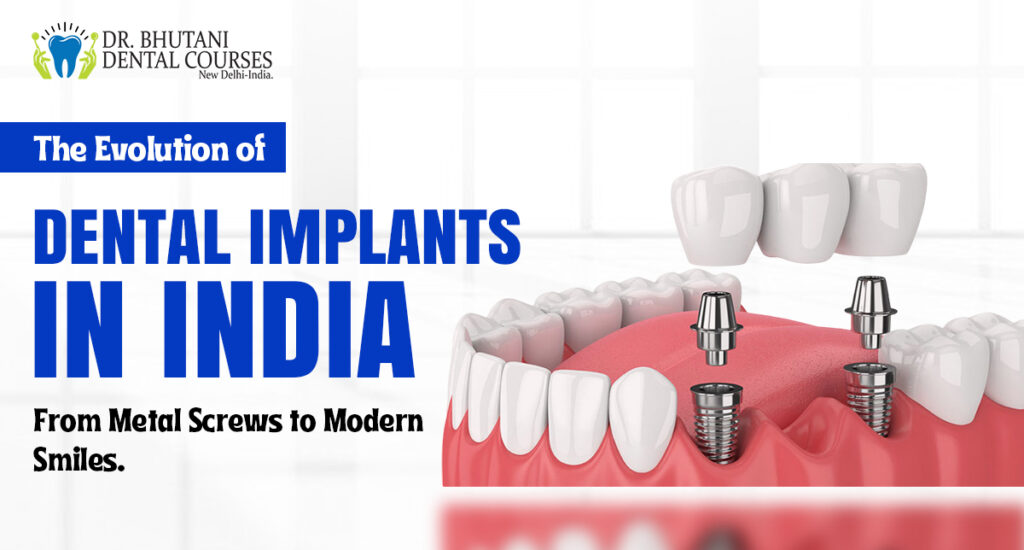
In the early years, dental implants in India were not widely trusted or understood. Most procedures involved simple metal screws that replaced missing tooth roots. These implants focused mainly on restoring chewing ability rather than aesthetics.
Healing times were long, success rates varied, and patient awareness was low. Only a few specialists performed implant procedures, often after learning through limited exposure or international training. During this phase, organized Dental implant courses were rare, and implantology was seen as a niche skill.
The Breakthrough of Titanium Implants
The introduction of titanium implants marked a major shift. Titanium’s ability to integrate with the jawbone improved stability and long-term success. This discovery made dental implants more reliable and encouraged wider acceptance among both dentists and patients.
As implant success stories increased, more dentists wanted to include implants in their practice. This created a growing demand for structured education, leading to the early development of professional Implant courses in Delhi across India.
Growing Awareness Among Patients and Dentists
With better outcomes and improved materials, patients began to see implants as a long-term solution rather than an experimental procedure. Dental implants started replacing bridges and dentures as the preferred choice for missing teeth.
At the same time, dentists realized that implantology required more than basic clinical skills. Proper case selection, surgical planning, and post-treatment care became critical. This is where formal training programs started gaining importance.
Institutions and training centers began offering dedicated programs, including Dental implant courses in Delhi, to meet the growing demand for skilled implant practitioners.
Advancements That Changed Implant Dentistry
Over the past decade, implant dentistry in India has advanced rapidly. Some key developments include:
-
Surface-treated implants for faster healing
-
Immediate loading techniques
-
Bone grafting and sinus lift procedures
-
Improved implant designs for better stability
These advancements allowed dentists to handle more complex cases with confidence. However, they also increased the learning curve. As implant treatments became more advanced, comprehensive Dental implant courses became essential to ensure patient safety and clinical success.
The Role of Digital Technology in Implant Evolution
Digital dentistry has completely transformed implant planning and execution. Today, tools like CBCT scans and 3D imaging help dentists plan implant placement with precision. Digital workflows reduce guesswork, minimize complications, and improve aesthetic outcomes.
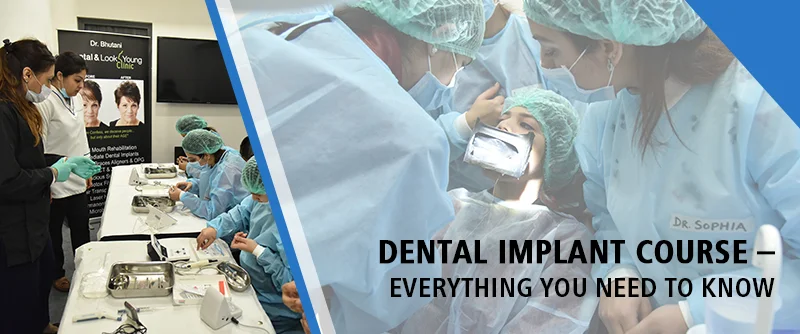
Modern Dental implant courses now include digital planning modules, hands-on training with guided surgery, and exposure to real-life clinical scenarios. This ensures dentists are not only technically skilled but also comfortable using modern tools.
Education: The Backbone of Modern Implantology
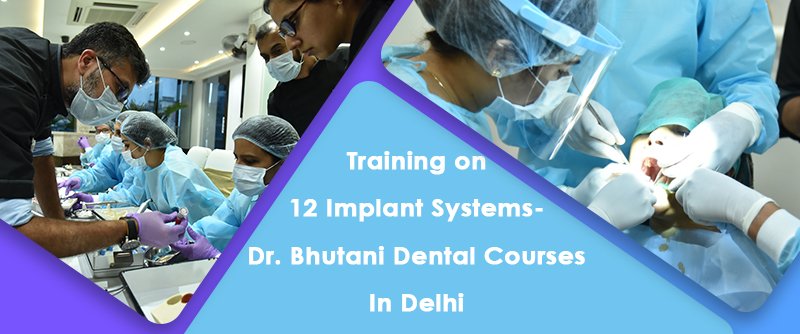
As implant procedures became more predictable, implant education evolved as well. Today, implantology training is no longer limited to specialists. General dentists, postgraduate students, and even beginners can start learning through structured programs.
Many professionals begin their journey with a basic Dentistry course and later specialize in implantology to expand their clinical scope. Additionally, support staff training has gained importance, making programs like a Dental assistant Course valuable for smooth clinical workflows and patient care.
Why Dental Implant Training Matters Today
Dental implants are now a major part of dental practice revenue and patient satisfaction. However, improper training can lead to failures, complications, and unhappy patients.
Well-structured Dental implant courses offer:
-
Step-by-step understanding of implant procedures
-
Hands-on surgical experience
-
Guidance on implant selection and treatment planning
-
Knowledge of managing complications
Dentists who invest in quality education are better equipped to deliver long-lasting and natural-looking results.
The Future of Dental Implants in India
The future of implant dentistry in India looks promising. Innovations like AI-driven treatment planning, minimally invasive techniques, and patient-specific implant designs are already shaping the next phase.
As these technologies evolve, continuous learning will become even more important. Updated Dental implant courses will play a key role in helping dental professionals stay relevant and confident in an ever-changing clinical environment.
Final Thoughts
The evolution of dental implants in India reflects the progress of modern dentistry itself. From basic metal screws to advanced, digitally planned solutions, implants have transformed countless smiles. At the heart of this journey lies education.
For dentists aiming to grow their practice and provide advanced care, investing in well-designed Dental implant courses is not just a career move—it’s a commitment to better patient outcomes and professional excellence.
Frequently Asked Questions (FAQs)
1. What are dental implant courses?
Dental implant courses are professional training programs designed to teach dentists the theory and practical skills required to place and restore dental implants safely and effectively.
2. Who can enroll in dental implant courses?
Most courses are open to BDS graduates, MDS students, and practicing dentists who want to add implantology to their clinical services.
3. How long does it take to complete a dental implant course?
The duration varies depending on the program. Some courses last a few days, while others offer long-term training with clinical practice and mentorship.
4. Are dental implants safe for patients?
Yes, when performed by trained professionals, dental implants are a safe and reliable solution for replacing missing teeth with high success rates.
5. Do dental implant courses include hands-on training?
Reputed courses usually include hands-on sessions, live surgeries, and case discussions to help dentists gain real-world experience.